How Smartphone Apps Are Reshaping Grocery Shopping Habits
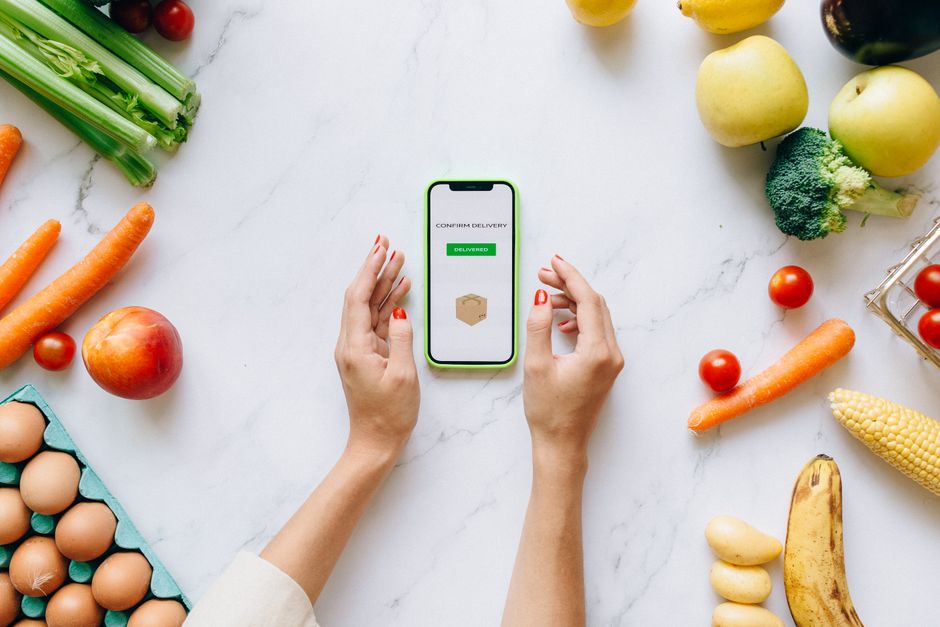
The integration of smartphones into everyday routines has brought noticeable changes to the way consumers approach grocery shopping. While the fundamental task of selecting and purchasing food items remains unchanged, the processes surrounding it have evolved considerably. Mobile applications and digital couponing systems, for instance, now play a significant role in shaping how shoppers plan, browse, and buy. This article explores, with a focus on the United Kingdom, the mechanisms through which these technologies influence purchasing decisions, relying on recent survey data and user behaviour statistics.
The shift is not limited to one segment of the population; rather, it spans various age groups and household types. According to recent studies, a substantial proportion of UK shoppers use a smartphone app at some point during their grocery shopping journey. This usage ranges from checking weekly offers to creating detailed shopping lists that sync with loyalty accounts. The underlying goal is often convenience and efficiency, but the implications for retailers and consumers are broader. Understanding these behavioural patterns is essential for businesses aiming to align their digital strategies with actual user needs.
This article provides an overview of current trends, examines user engagement with digital coupons, and discusses the contextual factors that moderate the influence of these tools. By adopting a neutral and informational stance, it aims to offer a clear picture of the evolving landscape, without making prescriptive claims about what shoppers should do.
The Rise of Grocery Apps in the UK
The adoption of grocery shopping apps in the United Kingdom has grown steadily over the past few years. Data from industry reports indicate that a considerable percentage of UK consumers have at least one supermarket app installed on their mobile devices. These apps often serve as gateways to weekly specials, loyalty schemes, and home delivery or click-and-collect services. The convenience of having a digital storefront always at hand appeals to a wide audience, from busy professionals to households managing tight budgets.
One of the primary functions of these apps is to streamline the shopping process. For example, features that allow users to scan items or check off lists in real time reduce the cognitive load of navigating a physical store. Additionally, many apps integrate with loyalty programmes, automatically applying discounts and tracking spending over time. This integration not only simplifies transactions but also provides users with a clear record of their purchases, which can inform future decisions.
Surveys conducted in 2023 suggest that roughly half of UK shoppers use grocery apps at least once a month. Among regular users, the frequency is higher, with a significant minority using them weekly. The reasons cited include saving time, accessing exclusive offers, and managing budgets more effectively. It is important to note that these figures vary across demographics; younger consumers, for instance, tend to be more engaged with advanced features such as personalised recommendations and real-time inventory checks.
Digital Coupons and Their Impact on Purchasing Decisions
Digital coupons have become a cornerstone of promotional strategies within grocery apps. Unlike traditional paper coupons, digital versions can be delivered instantly, redeemed at the point of sale, and targeted based on individual shopping history. This level of personalisation means that the offers a user sees are often tailored to their preferences and past purchases.
Research into user behaviour indicates that the presence of a digital coupon can influence which products a shopper chooses, but the extent varies. For example, a study published in the Journal of Retailing found that digital coupons are more effective for planned purchases than for impulsive ones. When a shopper has a specific item in mind, a discount may encourage them to stick with that choice, whereas for unplanned purchases, the coupon’s novelty might prompt a switch.
In the UK context, surveys reveal that a majority of grocery app users have used at least one digital coupon in the past month. The convenience of having all available offers in one place, with automatic clipping at checkout, reduces the friction typically associated with paper alternatives. However, the influence of coupons is not uniform. Sizeable discounts, for instance, might alter brand preference, but the effect is often contingent on the shopper’s overall budget and the perceived value of the product.
User Engagement Patterns and App Features
User engagement with grocery apps extends beyond mere coupon usage. Features such as shopping lists, recipe suggestions, and loyalty points create a multifaceted ecosystem that supports various stages of the shopping journey. A shopper might begin by browsing recipes for the week, add the ingredients to their list, and then check for relevant offers before heading to the store. This interconnected experience encourages longer and more frequent interactions with the app.
Statistics from app analytics platforms indicate that the average session length on a grocery app is around five to ten minutes, but this can vary widely. Many users engage with the app during the actual shopping trip, using it to scan items and cross off list entries. This real-time engagement provides retailers with valuable data about in-store behaviour, although privacy considerations remain a key concern. Users are generally aware of data collection, and transparency from retailers plays a role in maintaining trust.
Another notable trend is the use of apps for planning purposes. A significant proportion of UK consumers plan their meals for the week and use the app to build corresponding shopping lists. This planning behaviour is linked to a more deliberate approach to purchasing, potentially reducing impulse buys. Yet, the presence of targeted promotions, which are often displayed prominently within the app, can still nudge users towards unplanned items, illustrating the dual nature of these tools.
Factors Moderating the Influence of Apps
The influence of grocery apps on purchasing decisions is not deterministic. Several factors moderate the extent to which these tools shape behaviour. First, the user’s familiarity and comfort with technology plays a role; those who are less tech-savvy may use only basic features, such as checking offers, while more advanced users might leverage the full suite of functions.
Second, the perceived credibility of the app and its offers matters. If a shopper believes that the digital prices are competitive and that the offers are genuinely beneficial, they are more likely to act on them. Conversely, if the app is seen as a vehicle for upselling or promoting low-quality items, the trust diminishes, reducing its impact.
Third, the context of the shopping trip itself—whether it is a major weekly shop or a small top-up purchase—can alter how digital tools are used. For larger trips, users might spend more time comparing prices and using coupons, whereas for quick visits, the app might be consulted briefly. Additionally, the physical layout of the store and the availability of products can override digital suggestions, as can personal factors such as time pressure or mood.
Retailers such as Tesco, Sainsbury’s, and others have invested heavily in their apps, but the design choices within these apps can either enhance or inhibit their usefulness. Features that are intuitive and responsive tend to foster higher engagement, while complicated interfaces may discourage regular use. In this regard, the success of an app in influencing purchasing decisions is partly contingent on the overall user experience.
Future Directions and Considerations
Looking ahead, the role of smartphone apps in grocery shopping is likely to expand further, with emerging technologies such as augmented reality and artificial intelligence beginning to appear in some retail apps. These developments promise to make the shopping experience more interactive and personalised. For instance, in the near future, an app might allow a shopper to point their camera at a product and receive instant information about its origin, nutritional content, and available discounts.
Nevertheless, the evolution of these tools will be shaped by broader societal trends, including concerns about data privacy and the push for sustainable consumption. As consumers become more aware of how their data is used, app developers will need to balance personalisation with transparency. Similarly, the environmental impact of grocery delivery and packaging may influence how apps promote certain products or services.
For businesses operating in the UK grocery sector, understanding these dynamics is crucial. The data gathered by apps offers insights into consumer preferences that can inform product placement, marketing campaigns, and inventory management. However, it is important to recognise that these insights are only one piece of the puzzle; the external economic environment, such as inflation and supply chain disruptions, also plays a significant role in shaping purchasing decisions.
As mobile technology continues to evolve, the relationship between consumers and their grocery apps will likely become even more intertwined with daily routines, yet the outcomes will remain contingent on a range of contextual factors.
In summary, smartphone apps have embedded themselves into the grocery shopping experience in the UK, altering how consumers plan, browse, and purchase. The use of digital coupons and personalised features can influence decisions, but the effects are moderated by user characteristics and situational variables. As the technology advances, it will be essential to monitor these trends and assess their implications through rigorous research.